An Algorithmic Gaze
2021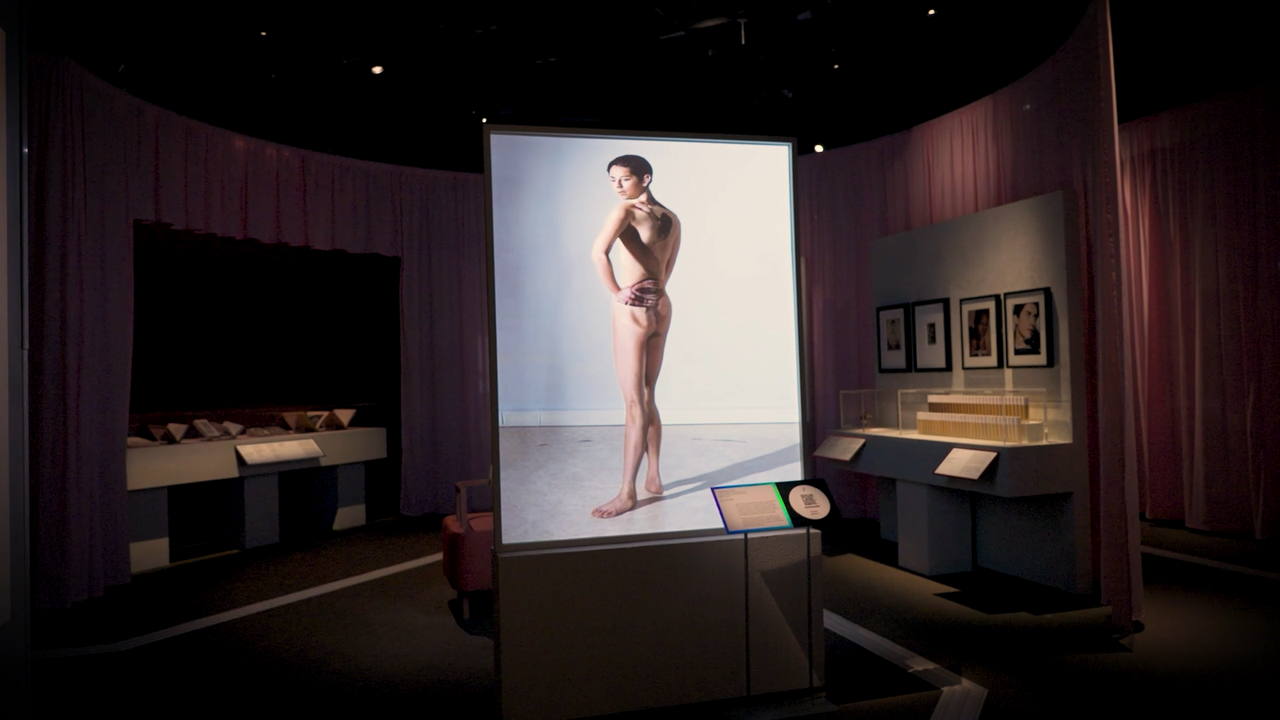
The machine was trained on human bodies - and what it learned says more about us than about it.
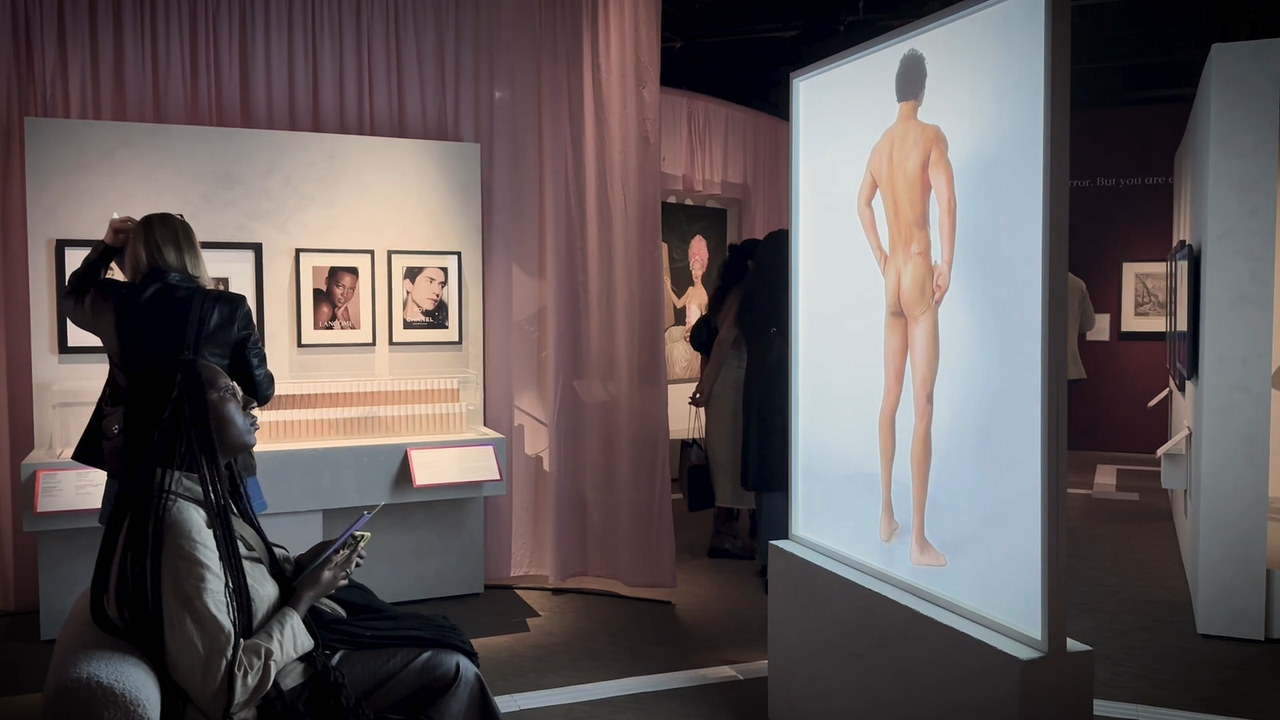
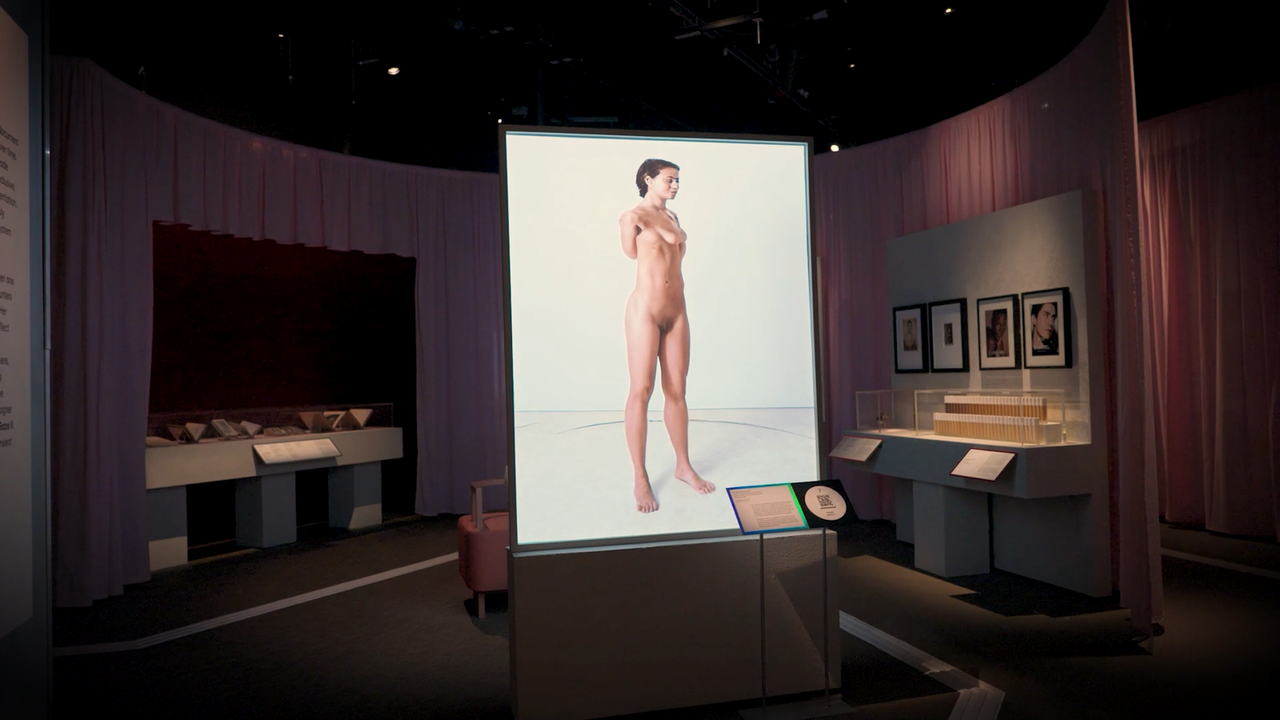
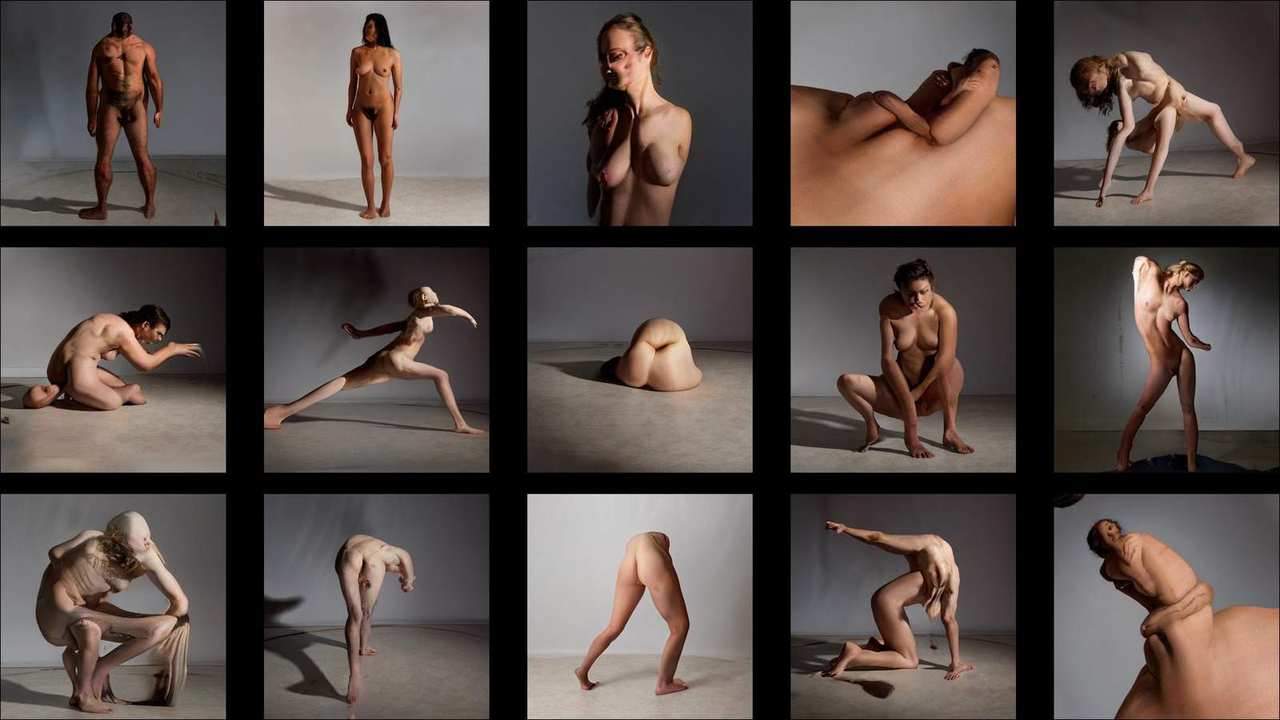
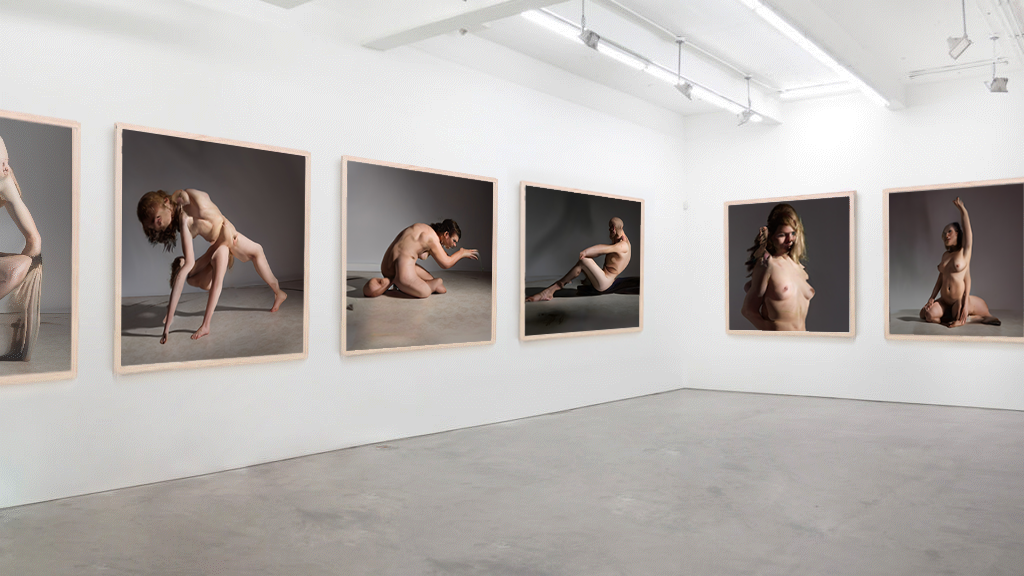
An Algorithmic Gaze is a generative AI work that examines how machine learning systems construct representations of the human body from large image datasets. Visitors encounter a continuous stream of synthetic figures that shift across sex, identity, race, and form. Rather than being created by an artist’s hand, these bodies emerge from the statistical patterns a neural network has learned from its training data.
The work treats AI not as a neutral image-making tool but as a cultural lens shaped by the data from which it learns. As bodies merge, dissolve, and reconfigure, familiar categories become unstable, revealing the assumptions embedded within contemporary image datasets.
In doing so, An Algorithmic Gaze explores questions of representation, bias, and visibility, asking who is reflected in the data, who is distorted by it, and who remains absent altogether.
We built the system around two containerized services that cover the full pipeline from training to exhibition. The training service wraps StyleGAN3 in a REST API, managing the entire model lifecycle. New training runs are assigned unique identifiers, checkpoints are saved at regular intervals, and runs can be resumed from any previous snapshot. Quality metrics are tracked throughout training, giving us a quantitative read on how the model is developing over thousands of iterations.
Before training begins, datasets are preprocessed. Images are resized, centred, and filtered. Decisions that shape what distribution the model will generalise from. Those preprocessing choices are as consequential as anything that happens during training itself.
The inference service handles generation and output. Images are produced by sampling from the model’s learned latent space, and morphs between outputs are produced by interpolating through that same space moving gradually from one point to another in a geometry the model constructed entirely from data. For the Wellcome Collection run, a separate load-balancing service distributed generation jobs across multiple inference endpoints, producing continuous video across every open hour of the exhibition’s twenty-six-week run
Tech
Venue
TRAPHOLT - Museum of Modern Art and Design (DK) / Wellcome Collection, London (UK) / Le Bicolore - Maison du Danemark and Biennale Némo (FR)
Team
Gallery